Terry Schaefer
When selecting a rifle scope for hunting or shooting there are many technical specifications to compare. But in the end the scope must function well in actual shooting situations. One of the key performance factors is eye relief, which is the distance your eye is from the rear of the scope's ocular lens. The manufacturer may list the eye relief for a scope in a simple number or as a range that may change at different magnifications. Even if the scope manufacturer lists the eye relief for your scope, it is not necessarily a simple number to interpret.
The Basics of Eye Relief
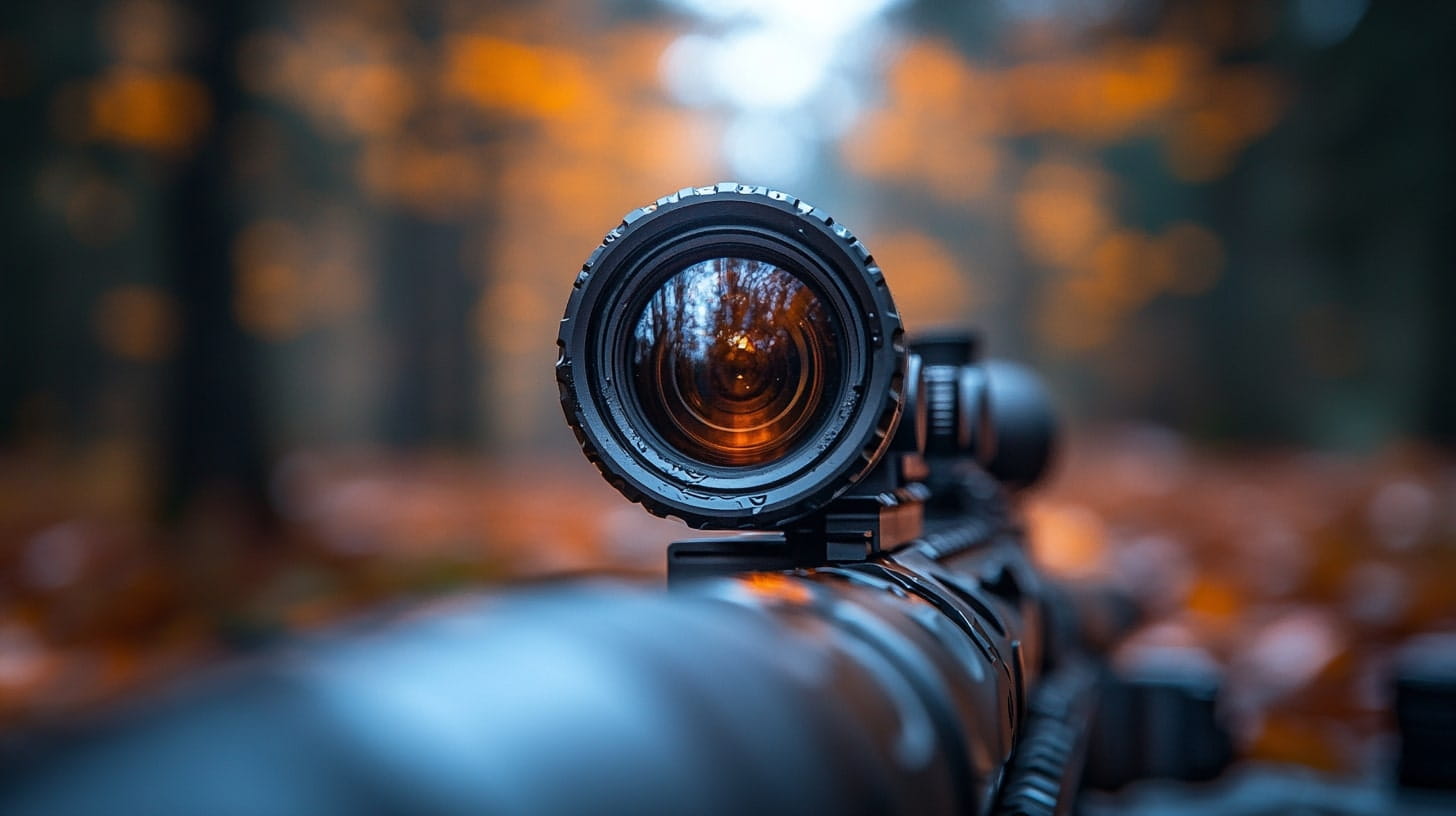
The eye relief is the distance between the rear of the scope's lens and your eye when looking through the scope at its furthest point. Eye relief is typically stated as a fixed measurement but may vary between models and even between different magnifications depending on the specific scope model.
While longer eye relief is generally considered better for most shooters, it's not necessarily a "good thing" in every situation. In fact, for some very specific reasons, longer eye relief can actually be a negative factor. Typically, these situations involve rifles of lighter recoil, where a good stock weld is key to good alignment. In these cases, shots can be taken very quickly, and it's typical that the head is in the optimal position for the scope. Exit pupil size is also an issue here, and a narrow exit pupil often restricts the eye relief to less than optimal values.
Impact of Shooting Positions on Eye Relief
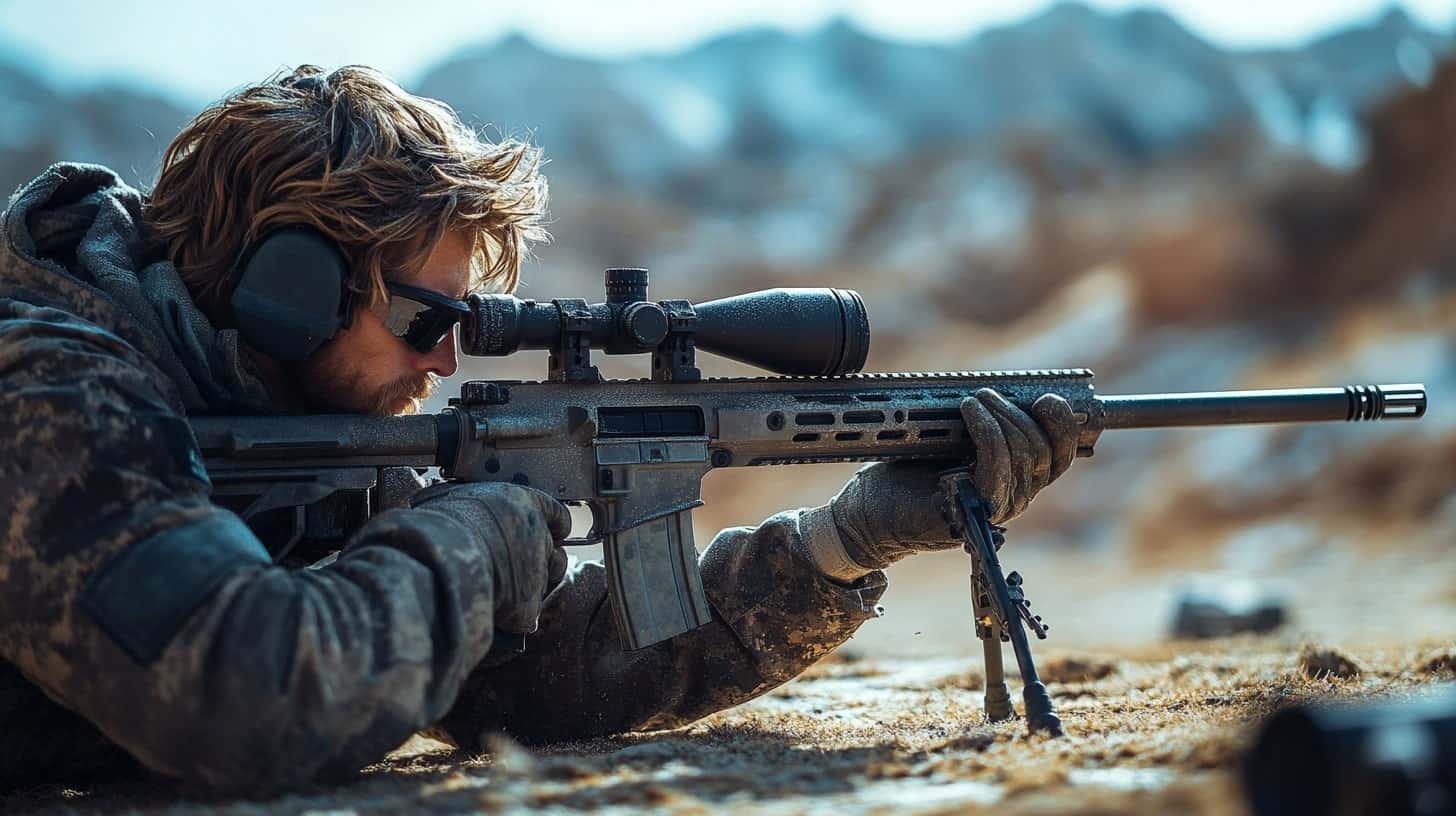
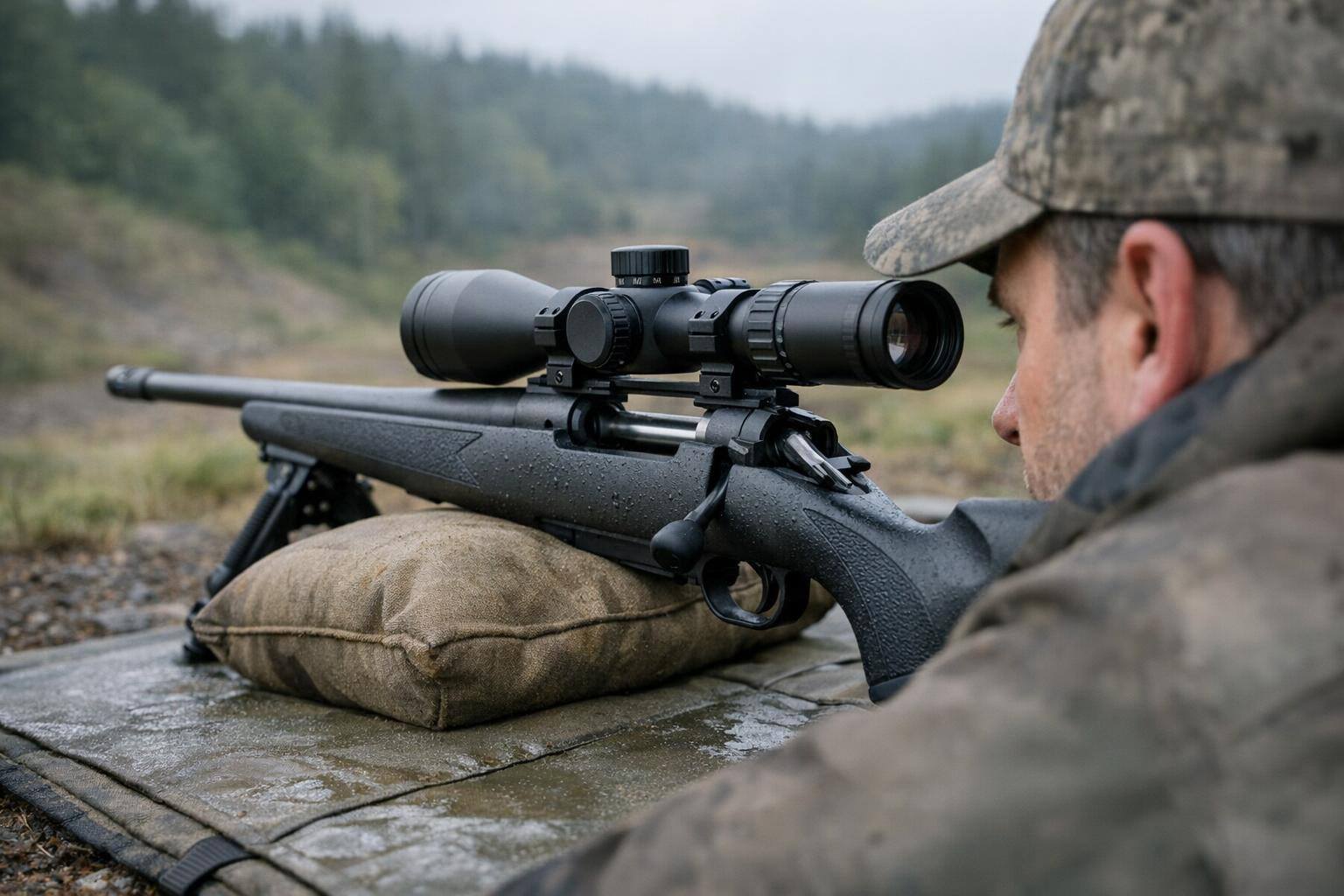
Most rifle shooters shoot from controlled positions such as a bench, a rest or when prone. In such shooting positions the shooter has control of his body and is in a position to make maximum use of the moderate eye relief of a scope. The comfort of the head in the stock and the relief of the scope from the face are important factors in maintaining a consistent aim.
In less stable shooting positions (kneeling, sitting, standing), major variables are the angle of the torso, the position of the hands on the rifle, and the cheak weld. When shooting from these positions more eye relief is generally desirable. A scope with longer eye relief makes for easier target acquisition when shooting from odd positions and facilitates quick changes of position.
Field conditions will be different from your typical shooting position and, even in the best of situations, the specifications for eye relief may not be adequate to take into account the natural position of your head for shooting. Testing out your scope at the field, even before you mount it permanently to your rifle, will highlight any potential problems that you may encounter.
The Bigger Picture: Integrating Scope and Rifle Factors
A good scope will be paired up with a good rifle in terms of how the scope will be mounted to the action of the rifle. Issues with the stock, such as a low comb, can be mitigated somewhat with adjustable elements in the stock, but ultimately will dictate how a scope will sit in relation to your eye. Mounting height is also a very important factor with scopes. A scope that is mounted too high can cause a shooter to be in an uncomfortable head position in order to acquire a sight picture, whereas a scope that is mounted too low can cause a shooter to have a very severely misaligned sight picture.
It is also important to have a good understanding of the rifle it is intended to be used with, especially with larger calibers and more powerful cartridges that deliver more recoil. Even with more eye relief, a poorly fitting stock or a scope that has been incorrectly mounted can cause problems and be unsafe to use. Remember to always follow safe handling practices and the manufacturer's guidelines.
Finally, when choosing a scope for a rifle, the scope must match the intended use of the rifle. If you hunt with a light weight rifle over uneven terrain then a scope with plenty of eye relief will aid in quick repositioning of the rifle for shot. Competition rifles that are shot from fixed rests can be set up to give the best possible results when shooting from that rest, and may even demand slightly different shooting positions than a hunting scope to give the best possible focus.
Interpreting Scope Specifications Wisely
The scope specifications should not be taken at face value. Longer eye relief combined with a greater field of view does not automatically mean better optics. In fact, there are several key points that can be missed by someone who takes a very superficial view of the specifications.
Another thing to look for in specifications is how the eye relief of a variable power scope will change at different magnifications. Often a scope will have more eye relief at lower magnifications and less at higher. Be aware of the terminology used to describe a scope's specifications. "Nominal eye relief" can mean just about anything, while "eye box" measures the scope's tolerance for the movement of your head.
There are other critical factors to consider as well. These include the scope's field of view, the exit pupil size, the available mounting heights, and how well the scope will perform in a number of different applications. Be careful and do not get caught up in specs alone as many have before you.
You have to read the manufacturers' manuals and technical documents, as product descriptions on the packaging and web pages do not always adequately represent the optics.
Testing Your Setup Before Finalizing
One of the simple tests of how a scope will work with a rifle is to set up the rifle in the shooting position as you expect to use it most. Open the sight up to a useful magnification, load no ammunition into the rifle, and with proper shoulder pressure, close your eyes for a second and then open them. If the sight image has not closed then the sight is centered for your eye. If the image has closed then the sight needs to be moved until it opens again. Don't try to get your head into an uncomfortable shooting position to get the image to open.
This assessment should not be restricted to your preferred shooting position. Rather, test the scope at standing shots, at kneeling shots, at seated shots, and at prone shots. In addition, test the scope at a variety of magnifications to see if any changes are needed to the head position for optimal sight images. Some scopes may require minor adjustments to distorted edge images.
Don't test your eye relief under less than realistic conditions. The best test of a scope's eye relief is to shoot the rifle normally, as you would in the field. Don't artifically move the scope towards your face in order to test it. Instead, rely on your normal shooting position with a solid grip on the rifle.
Common Pitfalls in Scope Selection
The typical beginner rifle buyer reads the single number for eye relief and thinks that that number is sufficient to tell them about the scope's capabilities. They look for the cheapest optic and in most cases that is the scope with the highest eye relief number. The buyer has no idea what the numbers for eye relief really mean for different magnification settings or how they will affect the rifle as it pertains to the stock's fit to the shooter's face.
A common mistake is attaching the scope before ensuring a good cheek weld to the rifle. The best way to ensure a good scope is to first establish a good cheek weld to the rifle with the stock in its normal position. Then find a scope that allows for natural alignment of the sight to the shooter's eye. Mounting a scope to compensate for poor stock fit and uncomfortable shooting positions only leads to more problems down the line.
Do not test a scope for only one shooting position i.e. a bench rest. Such a rifle is only used for shooting from rests and if that is your only intention then perhaps a rifle with a more restrictive eye relief is suitable. However, for most other uses a scope with more eye relief is more suitable. So test a scope in a variety of shooting positions to see how suitable it is for your intended use.
Making Informed Choices
When choosing a scope the optimal amount of eye relief will depend on a number of factors including the make and model of your rifle, the make and model of your gun stock, the rifles recoil, and how you intend to use your gun. Use the specs as a starting point and test out the scope in a number of positions with a number of different configurations for your head to see how it will work for you in your shooting experience.
Choosing the right scope for your firearm will allow you to quickly mount your firearm and bring target to sight, quickly change magnification and maintain accuracy when shooting from different shooting positions or locations. This process of selecting scope(s) from available models is crucial and should involve a range of tests and checks to arrive at a sensible decision.